
The Spanish Conquest of the Aztec Empire (1519-1521)
The Spanish conquest of the Aztec Empire was a pivotal event in world history. Between 1519 and 1521, Spanish conquistador Hernan Cortes, leading a small army of Europeans and a massive force of Indigenous allies, overthrew the Aztec Triple Alliance -- the most powerful empire in Mesoamerica. The conquest was fueled by a combination of Spanish steel, gunpowder, and cavalry, strategic alliances with Aztec subject peoples (especially the Tlaxcalteca), and the devastating impact of European diseases like smallpox, which killed millions of Indigenous people. The fall of the Aztec capital Tenochtitlan in August 1521 marked the beginning of Spanish colonial rule in Mexico and the birth of a new society blending Spanish, Indigenous, and African elements.
Events
Cortes Departs Cuba for Mexico

Hernan Cortes, a Spanish colonial official, defies the orders of Cuban Governor Diego Velazquez and sets sail from Cuba with 11 ships, approximately 500 soldiers, 100 sailors, 16 horses, and several cannons. His expedition is officially exploratory but Cortes intends to conquer. He carries a letter of credit but no royal commission for conquest.
Cortes Lands on the Mexican Gulf Coast
Cortes lands near modern-day Veracruz on Good Friday. He establishes the settlement of Villa Rica de la Vera Cruz, the first Spanish town on the Mexican mainland. To ensure his men's loyalty, Cortes sinks his ships, eliminating any possibility of retreat. He meets the Totonac people, who become his first Indigenous allies against the Aztecs.
Tlaxcala Becomes Cortes's Crucial Ally
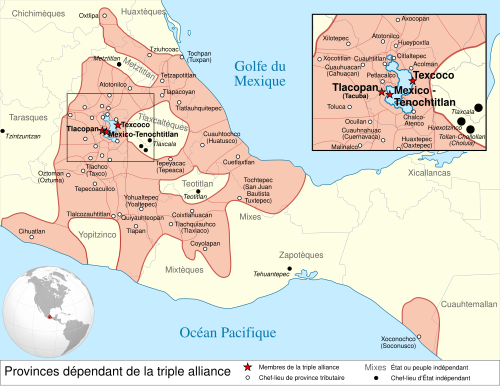
After 18 days of brutal fighting against the Tlaxcalteca, the fiercely independent republic that has resisted Aztec domination for decades, Cortes negotiates a peace. The Tlaxcalteca, recognizing the Spanish as powerful enemies of their Aztec rivals, form a military alliance with Cortes. Thousands of Tlaxcalan warriors join the Spanish expedition, providing the bulk of the fighting force against the Aztecs.
Massacre at Cholula

Cortes and his army march to the city of Cholula, a major religious center allied with the Aztecs. Informed by La Malinche (his Nahua interpreter and advisor) of a possible ambush, Cortes orders a preemptive attack. Spanish and Tlaxcalan forces massacre thousands of unarmed Cholulan nobles and warriors in the city's main plaza. The massacre terrorizes other Mesoamerican cities into submission.
Cortes and Moctezuma Meet in Tenochtitlan

Cortes and his army, along with thousands of Tlaxcalan warriors, march into the magnificent island city of Tenochtitlan. Emperor Moctezuma II, who has been debating whether the Spanish are gods or men, welcomes Cortes and houses the Spanish in a palace. The meeting is the first direct contact between the Aztec emperor and the Spanish conquistadors. Within days, Cortes takes Moctezuma captive in his own palace.
Pedro de Alvarado Massacres Aztec Nobles

While Cortes is away fighting the forces of Panfilo de Narvaez (sent by the Cuban governor to arrest him), his deputy Pedro de Alvarado orders an attack on Aztec nobles celebrating the festival of Toxcatl in the Great Temple of Tenochtitlan. The Spanish massacre hundreds of unarmed dancers and priests, suspecting a plot. The massacre enrages the Aztec population, who rise up against the Spanish garrison.
La Noche Triste — The Night of Sorrows

With the Aztec population in full revolt, Cortes orders a nighttime evacuation of Tenochtitlan. The Spanish and Tlaxcalan forces attempt to flee across a causeway but are attacked from all sides by Aztec warriors in canoes. Heavy with gold, many soldiers drown. Moctezuma is killed during the uprising (sources disagree on whether by the Spanish or his own people). Approximately 600-1,000 Spaniards and thousands of Tlaxcalans are killed or captured and sacrificed.
Spanish Survive at Otumba

The battered Spanish-Tlaxcalan army, retreating from Tenochtitlan, is cornered by a massive Aztec army on the plain of Otumba. Outnumbered and exhausted, the Spanish form a defensive square. Cortes personally leads a cavalry charge that kills the Aztec commander, throwing the enemy into disarray. The victory saves the Spanish from annihilation and allows them to reach the safety of Tlaxcala.
Smallpox Epidemic Sweeps Mexico

Smallpox, introduced by a Spanish carrier from the Narvaez expedition, spreads rapidly through central Mexico. The disease, to which Indigenous populations have no immunity, kills an estimated 5-8 million people across the region. In Tenochtitlan, Emperor Cuitlahuac (Moctezuma's successor) dies of the disease in December. The epidemic decimates Aztec leadership and fighting capacity, fatally weakening the empire's ability to resist.
Brigantines Launched; Siege of Tenochtitlan Begins

Cortes, reinforced with fresh troops and supplies from Cuba and Spain, builds 13 shallow-draft brigantines (small warships) under Tlaxcalan labor. These ships are launched on Lake Texcoco, giving the Spanish naval superiority. The combined Spanish-Tlaxcalan army of over 100,000 begins the siege of Tenochtitlan, cutting off the city's causeways and freshwater supply from Chapultepec.
Tenochtitlan Falls; Aztec Empire Conquered
After 75 days of siege, the last Aztec emperor Cuauhtemoc is captured as he attempts to flee across Lake Texcoco. The once-magnificent city of Tenochtitlan lies in ruins, its buildings destroyed, its canals choked with bodies. The fall of the Aztec capital marks the end of the Aztec Empire. Cortes begins construction of Mexico City on the ruins, using the same stones to build a Spanish capital over the destroyed Indigenous one.
Last Aztec Emperor Executed

Cuauhtemoc, the captured Aztec emperor, is taken by Cortes on an expedition to Honduras. Accused of plotting against the Spanish, Cuauhtemoc is hanged by Cortes's orders. His execution eliminates the last formal symbol of Aztec resistance. The Spanish consolidate their control over central Mexico, imposing colonial administration, Christianity, and the encomienda system of forced Indigenous labor.