
The Roaring Twenties (1920-1929)
The decade of American prosperity, jazz, and mass consumption — and of Prohibition, racial violence, immigration restriction, and a stock speculation boom that ended in the Wall Street Crash of 1929.
Events
Prohibition Takes Effect
The 18th Amendment and the Volstead Act banned the manufacture and sale of intoxicating liquor nationwide, the culmination of a decades-long temperance movement rooted in Protestant reform. Prohibition emptied saloons but also enriched bootleggers and organized crime and bred widespread disregard for federal law, before its repeal in 1933.
Location: United States
Women Win the Vote
The 19th Amendment prohibited denying the vote on the basis of sex, completing a 72-year campaign that had begun at Seneca Falls. In the same year, the Senate's refusal to ratify the Treaty of Versailles marked America's retreat from Wilsonian internationalism, setting the political tone of a domestic-focused decade.
Location: United States
The Tulsa Race Massacre
A white mob, some deputized by local authorities, destroyed the prosperous African American district of Greenwood — "Black Wall Street" — burning 35 blocks, and leaving death toll estimates that range from 75 to as many as 300. The massacre, in a year of racial violence, exposed the limits of the decade's prosperity for Black Americans, whose veterans had returned from WWI service expecting equal citizenship.
Location: Tulsa, Oklahoma, United States
The Immigration Act of 1924
Congress set strict national-origins quotas designed to preserve the existing ethnic makeup of the country, sharply cutting immigration from southern and eastern Europe and excluding most Asian immigrants entirely. Supporters argued the limits protected American jobs and assimilation; opponents — including some of the era's leading anthropologists — condemned the act's premise of racial hierarchy. The quotas remained law until 1965.
Location: Washington, D.C., United States
The Scopes Trial
High school teacher John Scopes was tried for teaching evolution in violation of Tennessee law, in a case broadcast nationally by radio. The courtroom duel between Clarence Darrow and William Jennings Bryan crystallized the decade's cultural conflict between modernist science and religious fundamentalism. Scopes was convicted (later overturned on a technicality), but fundamentalism's public standing suffered — pushing it toward a more separatist posture.
Location: Dayton, Tennessee, United States
Lindbergh Crosses the Atlantic
Charles Lindbergh completed the first solo nonstop flight from New York to Paris in the Spirit of St. Louis, becoming the world's most famous private citizen in an era that invented modern celebrity. His flight, followed by Amelia Earhart's Atlantic crossing in 1928, symbolized the age of aviation that the decade's barnstormers and airmail pioneers had built.
Location: Paris, France
The Talkies Arrive
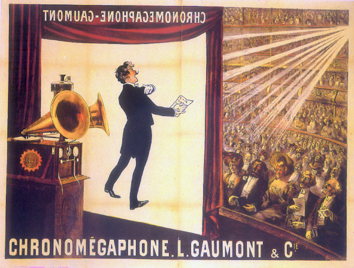
The premiere of The Jazz Singer, the first feature-length film with synchronized dialogue, transformed the film industry almost overnight. Hollywood — with its studio stars, jazz soundtracks, and mass audience — became the engine of a shared national culture, alongside radio networks like NBC and CBS that put jazz, news, and advertising into millions of living rooms.
Location: New York, New York, United States
The Consumer Economy Peaks

The Dow Jones Industrial Average peaked at 381, up six-fold from 63 in August 1921, as ordinary Americans bought stocks on margin — borrowing up to 90 percent of a share's price. The same decade had put automobiles, radios, and appliances in millions of homes through installment credit, while farmers, hurt by collapsing agricultural prices, experienced their own depression throughout the boom.
Location: New York, New York, United States
The Wall Street Crash

After days of panic selling beginning on Black Thursday, October 24, the market collapsed on Black Tuesday, October 29, with a record 16 million shares traded. The Dow would lose nearly 90 percent of its value by 1932. Margin calls wiped out leveraged investors, banks failed, and the speculative excesses of the Roaring Twenties gave way to the Great Depression.
Location: New York, New York, United States