
The Olympic Games — From Ancient Greece to the Modern Era
A chronicle of the Olympic Games, the world's preeminent multi-sport competition. Originating as a religious festival honoring Zeus in ancient Olympia, the Games were revived in the late 19th century and have since become a global symbol of athletic excellence, international cooperation, and geopolitical contestation.
Events
Roman Emperor Theodosius I Bans the Ancient Olympics
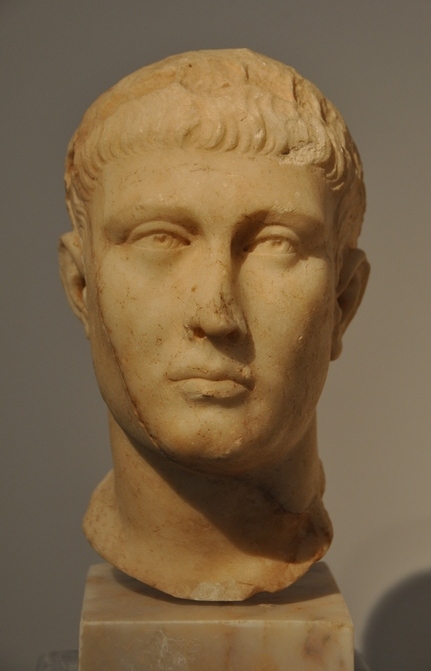
Roman Emperor Theodosius I, a Christian who enforced orthodox Christianity across the empire, bans all pagan religious festivals, including the Olympic Games. The decree ends nearly 1,170 years of the ancient Games. The sanctuary of Olympia falls into disuse and is eventually buried by earthquakes and floods over subsequent centuries.
First Recorded Ancient Olympic Games
The first recorded Olympic Games are held at Olympia, Greece, honoring Zeus. The sole event is the stadion, a footrace of approximately 192 meters (630 feet). The victor is Coroebus of Elis, a cook. The Games become the cornerstone of a four-year cycle known as the Olympiad, used by Greek historians as a chronological reference.
Pierre de Coubertin Proposes Reviving the Olympic Games

French educator and historian Baron Pierre de Coubertin convenes an international congress at the Sorbonne in Paris, where he proposes reviving the Olympic Games as an international amateur sporting competition. Delegates from 12 nations unanimously vote to establish the International Olympic Committee (IOC) and schedule the first modern Games in Athens, Greece, for 1896.
First Modern Olympic Games Held in Athens

The first modern Olympic Games open at the Panathenaic Stadium in Athens, with 241 athletes (all male) from 14 nations competing in 43 events across 9 sports. American James Connolly wins the triple jump to become the first Olympic champion in over 1,500 years. Greek Spyridon Louis wins the marathon, electrifying the host nation. The Games are considered a success and establish the modern Olympic tradition.
Women First Compete in the Olympic Games

The 1900 Paris Olympics, held as part of the World's Fair, allow women to compete for the first time. Twenty-two women participate in events including tennis, sailing, croquet, and equestrian sports. British tennis player Charlotte Cooper becomes the first female Olympic champion. The inclusion of women marks a gradual but contested shift toward gender equality in international sport.
The First Winter Olympic Games
The first Winter Olympic Games are held in Chamonix, France, featuring 258 athletes from 16 nations competing in 16 events across 6 sports. Originally called "International Winter Sports Week," the event is retroactively designated the first Winter Olympics by the IOC. The Winter Games become a permanent fixture, held in the same years as the Summer Games until 1994.
The Nazi Olympics — Berlin 1936
The 1936 Berlin Olympics become a propaganda platform for Adolf Hitler's Nazi regime, which temporarily softens antisemitic policies to project an image of a peaceful Germany. These are the first Games televised and the first to feature an Olympic torch relay from Olympia to the host city. African-American athlete Jesse Owens wins four gold medals, directly challenging Nazi racial ideology. The Games set attendance and participation records with 49 nations and 3,963 athletes.
The 1980 Moscow Olympics Boycott
The United States leads a boycott of the Moscow Olympics, joined by more than 60 countries, to protest the Soviet invasion of Afghanistan. President Jimmy Carter calls for the boycott after the Soviet Union fails to withdraw. The Soviet Union retaliates by boycotting the 1984 Los Angeles Olympics. The dual boycotts mark the peak of Cold War politicization of the Games and significantly alter competitive outcomes.
Beijing Hosts the Summer Olympics
China hosts the Olympic Games for the first time, with a spectacular opening ceremony at the Beijing National Stadium (the "Bird's Nest") showcasing Chinese history and technological ambition. A record 204 nations and 10,942 athletes compete. The Games are praised for organizational excellence but draw criticism over China's human rights record and the suppression of political dissent. China tops the medal table with 51 golds.
Tokyo 2020 Olympics Postponed Due to COVID-19
The 2020 Summer Olympics in Tokyo are postponed to 2021 due to the COVID-19 pandemic, the first peacetime postponement in Olympic history. The Games are held with strict health protocols, no international spectators, and limited local attendance. Athletes compete under unprecedented restrictions. The postponement sets a precedent for how global sporting events respond to public health emergencies.