
The Maccabean Revolt and the Hasmonean Kingdom (167-141 BC)
A Judean rebellion against the Seleucid Empire, sparked by royal religious persecution and fueled by internal conflict between traditionalist and Hellenized Jews, that culminated in the founding of the independent Hasmonean kingdom and the rededication of the Second Temple commemorated at Hanukkah.
Events
Antiochus IV Replaces the High Priest
Seleucid king Antiochus IV Epiphanes sold the office of Jewish High Priest to Jason after Jason offered a large payment, replacing Onias III. Jason received permission to reorganize Jerusalem as a self-governing Greek-style polis, and three years later Menelaus outbid him for the office. Modern historians note the conflict that followed was initially political — a dispute among Hellenized factions over corruption and temple funds — rather than a war of religion.
Location: Jerusalem, Judea
Jerusalem Sacked and Jewish Practice Banned
After an attempted coup by Jason against Menelaus, Antiochus IV — returning from his Egyptian campaign — interpreted the factional fighting as revolt and sacked Jerusalem. Thousands were killed or enslaved, a Greek garrison citadel, the Acra, was built in the city, and royal decrees banned Sabbath observance, circumcision, and Jewish dietary law. The Second Temple was rededicated to a syncretic Greek-Jewish cult. The repression triggered the rebellion Antiochus had sought to prevent.
Location: Jerusalem, Judea
Mattathias Sparks the Uprising at Modein

In the Judean countryside, where land confiscations and forced altar sacrifices accompanied the decrees, the village priest Mattathias killed a Jew preparing to sacrifice to a Greek altar and the royal officer enforcing it, then fled to the hills with his five sons. The Maccabee family's flight began a guerrilla campaign in the rural hills, the opening act of the revolt. Mattathias died within the year and his son Judas Maccabeus assumed command.
Location: Modein, Judea
Judas Maccabeus Wins at Emmaus and Beth Zur
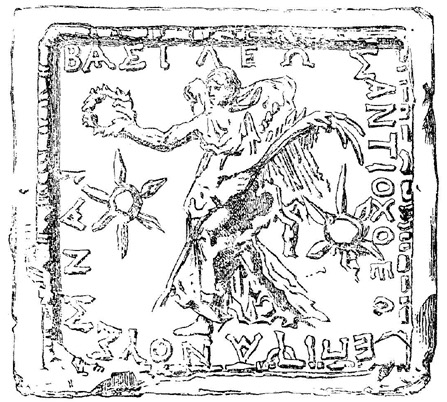
Judas Maccabeus transformed the guerrilla bands into an army, defeating Seleucid forces at the Ascent of Lebonah, Beth Horon, and Emmaus. The victory at Beth Zur opened the road to Jerusalem, which the Maccabees captured in 164 BC after driving out the Hellenizing faction.
Location: Judea
The Temple Rededicated — Origin of Hanukkah

The Maccabees cleansed the Second Temple and rededicated its altar on 25 Kislev (December 164 BC), restoring Jewish sacrificial worship. The rededication was instituted as an annual festival of lights, Hanukkah, observed by Jewish communities worldwide ever since. The Seleucids subsequently relented and rescinded the ban on Judaism, though fighting continued.
Location: Jerusalem, Judea
Nicanor Defeated at Adasa; Treaty with Rome

Judas defeated and killed the Seleucid general Nicanor at the Battle of Adasa. In the same period the Maccabees concluded a treaty of friendship with the Roman Republic, recorded in 1 Maccabees, which gave their cause international recognition and helped deter further large Seleucid campaigns.
Location: Adasa, Judea
Defeat at Beth Zechariah

A large Seleucid army under Lysias, regent for the young Antiochus V, marched on Jerusalem and defeated Judas at Beth Zechariah, where the Maccabees for the first time faced the full weight of a regular army including war elephants. The defeat was temporary — the Seleucids, facing internal succession crises, soon offered the Jews religious freedom in exchange for peace, which the more radical Maccabees rejected.
Location: Beth Zechariah, Judea
Judas Falls at Elasa

Judas Maccabeus was killed fighting the army of Bacchides at the Battle of Elasa, commanding a much smaller force in a last stand. The Seleucids reestablished control of Judea's cities, and Seleucid-aligned Hellenized Jews governed for several years. The revolt survived in the countryside under Judas's brother Jonathan Apphus, who rebuilt the movement's strength by exploiting Seleucid dynastic wars.
Location: Elasa, Judea
Jonathan Becomes High Priest — De Facto Autonomy

Exploiting a Seleucid dynastic struggle, Jonathan Apphus secured appointment as Jewish High Priest from the claimant Alexander Balas while retaining military control of the countryside. The office had been held by legitimate priestly lineages, and Jonathan's appointment marked a lasting break with tradition; combined with his political and military power, it made Judea autonomous in practice.
Location: Jerusalem, Judea
Independence — Simon Expels the Seleucid Garrison
Simon Thassi captured the Acra, the Seleucid citadel in Jerusalem, expelling the last foreign garrison. A great assembly acclaimed Simon High Priest and ethnarch, formally founding the independent Hasmonean kingdom — the first independent Jewish state since the Babylonian conquest. 1 Maccabees records the day as celebrated as an annual festival of independence. The Hasmonean dynasty ruled Judea until the Roman conquest of 63 BC.
Location: Jerusalem, Judea