
The Indian Ocean Trade Network
The maritime trading system that linked East Africa, the Middle East, India, Southeast Asia, and China a thousand years before European globalization. Built on monsoon winds and a chain of cosmopolitan port cities, the network moved goods, religions, and peoples across half the planet until Portuguese naval power and chartered companies seized and reorganized it.
Events
Sailing the Monsoons

By the 9th and 10th centuries, Arab and Persian sailors were riding the seasonal monsoon winds on regular schedules between the Red Sea and Persian Gulf, India, and Southeast Asia, trading grain, textiles, timber, spices, and slaves. The predictable winds turned the Indian Ocean into a maritime highway and spread Islam, Arabic, and a common commercial law along the coastlines it touched.
Location: Arabian Sea and Indian Ocean
The Rise of the Swahili City-States

A chain of independent city-states, including Kilwa, Mombasa, Lamu, Malindi, and Sofala, flourished along the East African coast as African, Arab, and Persian merchants intermarried and forged the Swahili culture, language, and cities of coral stone. Kilwa, founded around the 10th century, grew rich exporting gold, ivory, and iron brought from the interior and minted its own coinage.
Location: East African coast
Kilwa Masters the Gold Trade

By the 13th and 14th centuries Kilwa controlled the trade through Sofala in gold from the Great Zimbabwe plateau, becoming the richest of the Swahili ports. Excavations of its palaces and great mosque have yielded Chinese porcelain and other goods from across the entire network, evidence of a trading reach spanning from Africa to Asia centuries before European arrival.
Location: Kilwa, present-day Tanzania
Ibn Battuta Tours the Network
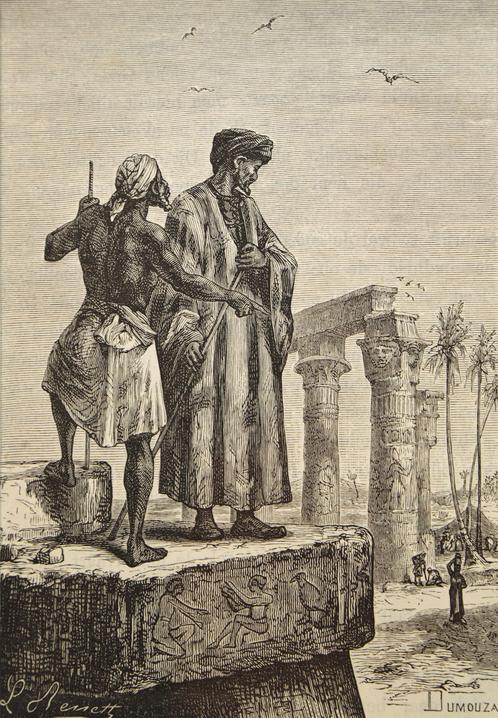
The Moroccan traveler Ibn Battuta sailed the length of the western network, visiting Mogadishu, Mombasa, and Kilwa, which he described as among the most beautiful and well-built towns in the world, and later traveling through India and Southeast Asia. His account remains a key eyewitness record of an integrated maritime world of Muslim merchants, Hindu bankers, and African and Arab sailors.
Location: Indian Ocean rim
Zheng He's Treasure Fleets

The Ming dynasty launched the first of seven great voyages commanded by Admiral Zheng He, fleets of hundreds of ships and tens of thousands of men reaching Southeast Asia, India, Arabia, and the East African coast, from where a giraffe was brought to the imperial court. The voyages projected Chinese power as diplomacy and tribute rather than conquest and marked the high point of state engagement in the Indian Ocean by any power of the era.
Location: Nanjing, Ming China
China Withdraws from the Sea

After Zheng He's death the Ming court ended the voyages and restricted private oceanic shipping, dismantling the treasure fleets and largely abandoning the Indian Ocean to the merchant networks of South Asia, the Middle East, and East Africa. Historians still debate the decision's motives, ranging from steppe defense priorities to Confucian hostility to commerce, but the withdrawal left the ocean's western routes open for the European newcomers of the next century.
Location: Ming China
Vasco da Gama Reaches India
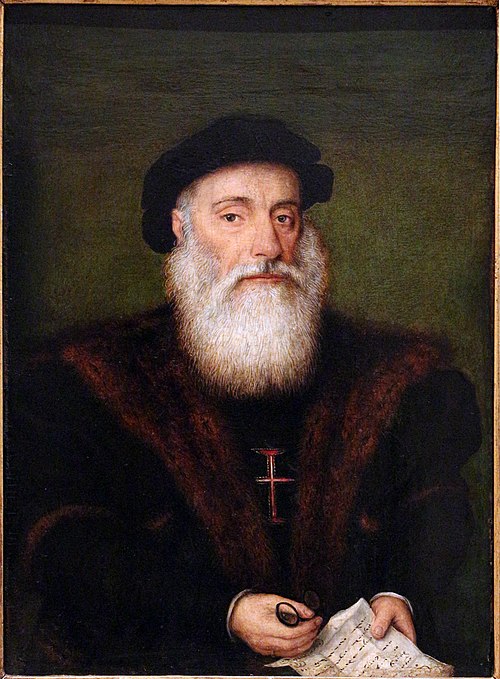
Sailing via the Cape of Good Hope with the help of a Gujarati pilot hired at Malindi, Vasco da Gama anchored at Calicut, achieving the Portuguese crown's goal of a direct sea route to the spices of India around the Ottoman and Venetian intermediaries. The arrival of a small, armed European fleet inside a mature, wealthy commercial world began the network's transformation from open trade to armed monopoly.
Location: Calicut, India
Gunboat Diplomacy on the Pepper Coast
Da Gama's second voyage turned violent, as Portuguese ships bombarded Calicut, seized and burned pilgrim and merchant vessels, and demanded that local rulers expel Muslim merchants in exchange for Portuguese trade. The Battle of Diu in 1509 broke the naval power of the combined Egyptian, Gujarati, and Ottoman forces aligned against Portugal, giving Lisbon command of the sea lanes.
Location: Malabar Coast, India
The Chokepoint Empire
Afonso de Albuquerque captured Malacca after taking Goa in 1510 and Hormuz in 1507, building an empire of fortified chokepoints across the network and requiring ships to buy Portuguese safe-conduct passes, the cartaz. The older free trade of many merchant nations was replaced by a licensed system that funneled spice profits to Lisbon, a model that deeply disrupted but never fully replaced the Asian merchant networks it taxed.
Location: Malacca, present-day Malaysia
The Dutch Company and the End of an Era
The Dutch East India Company was chartered, the world's first joint-stock company with state-granted war powers, following Dutch expeditions that had reached the East Indies from 1595. Portuguese strongholds across the network fell to the Dutch and English over the following decades, and the Indian Ocean's age of open, multi-civilizational exchange gave way to the chartered-company colonial economy that defined the early modern world.
Location: Amsterdam, Dutch Republic