
The Gig Economy Revolution
The gig economy, characterized by short-term, flexible work arranged through digital platforms, has transformed labor markets around the world since the late 2000s. Companies like Uber, Airbnb, and Upwork connected workers directly with customers, offering flexibility for workers and lower costs for consumers, while raising fundamental legal and policy questions about worker classification, benefits, and labor protections that regulators continue to grapple with.
Events
Elance Launches Early Freelancing Platform

Elance, one of the first online freelancing platforms, was founded, enabling self-employed professionals to find project-based work remotely. The platform's model of connecting independent workers with clients through an online marketplace laid the groundwork for the digital gig economy. The competing platform oDesk was founded in 2003.
Airbnb and TaskRabbit Founded
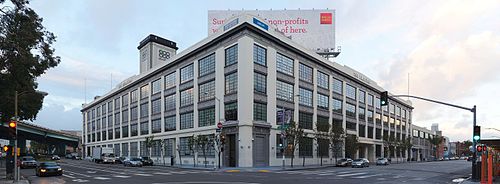
Airbnb launched during the 2008 Democratic National Convention, offering short-term lodging by renting air mattresses in founders' apartments. TaskRabbit, founded the same year, created a marketplace for odd jobs and household tasks. Both platforms demonstrated the feasibility of peer-to-peer service marketplaces and expanded the definition of gig work beyond professional freelancing into everyday services.
Uber Is Founded

Uber was founded by Garrett Camp and Travis Kalanick as a luxury car service accessible via smartphone app. The company launched its ride-hailing service in San Francisco in 2010 and rapidly expanded to cities worldwide. Uber's model of connecting drivers (classified as independent contractors) with passengers via a mobile platform became the archetype of the gig economy, and its approach to labor regulation set the template for subsequent legal battles.
Fiverr Launches Micro-Tasking Platform
Fiverr was founded, creating a marketplace for micro-tasks and services starting at five dollars. The platform's model of selling small, standardized digital services -- from graphic design to voiceovers to programming -- opened gig work to a broader range of providers and buyers, lowering the barrier to entry for freelancing.
Elance and oDesk Merge to Form Upwork
Elance and oDesk, the two largest online freelancing platforms, merged to form Elance-oDesk, rebranding as Upwork in 2015. The consolidation created the world's largest freelance platform by revenue, connecting millions of freelancers with clients globally. Upwork went public on the Nasdaq in October 2018 under the ticker UPWK, with an initial public offering that valued the company at over 1 billion dollars.
California Passes AB5, Restricting Gig Worker Classification
California Governor Gavin Newsom signed Assembly Bill 5 (AB5) into law, codifying the stricter "ABC test" for determining whether workers are employees or independent contractors. The law, aimed at companies like Uber, Lyft, and DoorDash, required gig platforms to reclassify many workers as employees entitled to minimum wage, overtime, and unemployment benefits. The legislation intensified the national debate over gig worker rights and sparked a multi-billion-dollar campaign by the platform companies.
California Voters Approve Proposition 22
California voters passed Proposition 22 with 58.5 percent approval, exempting app-based rideshare and delivery drivers from AB5 while providing them with some benefits like a minimum earnings guarantee and health insurance subsidies. The proposition was the most expensive ballot measure in California history, with platform companies including Uber, Lyft, and DoorDash spending over 200 million dollars supporting it. The outcome was seen as a major setback for efforts to reclassify gig workers as employees.
The European Union Proposes the Platform Work Directive
The European Commission proposed the Platform Work Directive, a legislative framework aimed at improving conditions for gig workers across the EU. The directive introduced criteria for determining whether platform workers should be classified as employees, required algorithmic transparency, and banned automated dismissal decisions. The proposal reflected the EU's approach to gig economy regulation, which differed from the US model by establishing a continent-wide framework rather than state-by-state rules.
Dutch Regulator Fines Uber 825 Million Euros for Automated Driver Deactivations
The Dutch Data Protection Authority (AP) imposed an 825 million euro (approximately 966 million US dollars) fine on Uber for using automated systems to deactivate driver accounts without adequate human oversight or transparency, violating the EU General Data Protection Regulation (GDPR). The decision, made on August 17 and publicly disclosed on August 21, 2026, was the second-largest GDPR penalty ever issued, behind only the 1.2 billion euro fine against Meta in 2023. The AP found that between 2018 and 2022, Uber's algorithms temporarily suspended drivers suspected of fraud and, in some cases, permanently deactivated drivers based on low customer ratings, all without meaningful human review or adequate notification. GDPR Article 22 prohibits decisions made solely by automated processing that significantly affect individuals, requiring human involvement and a right to appeal. Uber announced it would appeal, arguing the fine was disproportionate and that the examined policies had been discontinued. The company disputed that it had ever fully automated permanent deactivations, stating that only 126 drivers in Europe had been deactivated due to low ratings in 2021. The case marked a landmark test of European data protection law applied to algorithmic management of gig workers, raising questions about the balance between platform safety measures, worker due process, and customer protection against fraudulent drivers. Critics of the decision noted that some suspended drivers had been engaged in fare-inflation scams against passengers, while supporters argued that depriving workers of their livelihood through algorithmic decisions without recourse was a fundamental rights violation.
California Drives Form World's Largest Rideshare Union

On August 18, 2026, the California Gig Workers Union announced it had crossed the support threshold required to be certified by the state's Public Employment Relations Board as the collective bargaining representative for Uber and Lyft drivers, a union projected to cover roughly 800,000 California rideshare drivers. Certification, expected to conclude a 30-day waiting period in early September, made California the largest of the two US states (with Massachusetts) to grant app-based drivers collective bargaining rights while preserving their classification as independent contractors. The union, built on SEIU locals, was enabled by Assembly Bill 1340 brokered in 2025 by Governor Gavin Newsom with Uber, Lyft and organized labor, which also reduced the companies' driver insurance obligations. Uber and Lyft said they would bargain in good faith; organizers and labor researchers cautioned that newly unionized companies, from Starbucks to Amazon, had often faced prolonged delays in reaching first contracts. The measure left drivers' independent-contractor status unchanged, a point of continued contention in the industry.
European Class Action Targets Uber's AI Pay Algorithm

Roughly 240,000 Uber drivers across the UK, Netherlands, France, Germany, Belgium, Poland and Romania filed a landmark collective action at Amsterdam District Court, alleging that Uber's AI-powered pay-setting algorithm unlawfully profiles drivers and suppresses earnings by personalising fares. Described by the European Trade Union Confederation as the first collective legal action of its kind, the claim - led by the Worker Info Exchange - argued the 'black box' system breached data protection law and sought compensation that could run into billions. Uber rejected the allegations, saying fares reflected real-time trip logistics rather than driver acceptance history. The filing followed the Dutch data protection authority's 825-million-euro fine weeks earlier, extending algorithmic-management disputes from regulation into mass litigation.
California Certifies First Statewide Rideshare Driver Union

On September 9, 2026, the California Public Employment Relations Board certified the SEIU California Gig Workers Union (CGWU) as the statewide bargaining representative for Uber and Lyft drivers, making it the largest union of rideshare drivers in the world. The certification followed verification that tens of thousands of drivers had signed union authorization cards, clearing a 30 percent threshold under Assembly Bill 1340, the 2025 law that granted California app-based drivers collective bargaining rights without reclassifying them as employees. California became the third state to allow ride-hailing driver unionization, following Washington in 2022 and Massachusetts in 2024. The union set out to negotiate over pay, deactivation appeals, and the impact of autonomous vehicles on driver livelihoods; Uber and Lyft, which had long opposed unionization while defending the independent contractor model, faced their first sectoral bargaining table in their largest U.S. market.