
Elon Musk — Entrepreneur and Industrialist
Biography of Elon Musk, the South African-born entrepreneur who co-founded or led companies including Zip2, PayPal-era X.com, SpaceX, Tesla, Neuralink, and xAI, and who acquired Twitter in 2022. His ventures drove the first private liquid-fuel rocket to orbit, the mainstreaming of electric vehicles, and the first commercial crewed orbital flights, while his management style, political interventions, and platform governance decisions drew sustained criticism and regulatory action.
Events
Born in Pretoria, South Africa
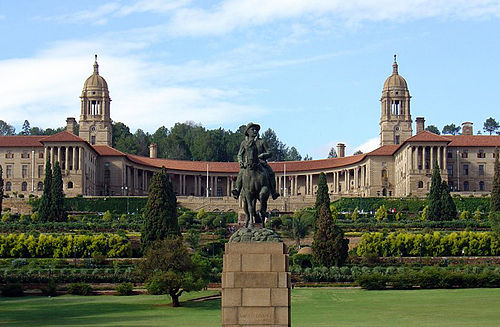
Elon Reeve Musk was born in Pretoria, South Africa, to Errol Musk, an engineer, and Maye Musk, a model and dietitian. He taught himself programming as a child and sold the code for a video game, Blastar, at age 12. He later described his childhood as difficult, including severe bullying at school.
Moves to Canada, Then Leaves Stanford After Two Days

Musk moved to Canada at 17, obtaining citizenship through his South African-born mother, and studied physics and economics at Queen's University before transferring to the University of Pennsylvania. He enrolled in a Stanford PhD program in 1995 but left after two days, judging the internet boom too consequential to miss.
Co-Founds Zip2 With Brother Kimbal

With his brother Kimbal and seed money from their father, Musk co-founded Zip2, a company building online city guides and directories for newspapers, including the New York Times and Chicago Tribune. Musk has described sleeping in the office and coding through the night during the startup's lean years. Investors later installed more experienced executives over his objections, a pattern he cited when insisting on control in later ventures.
Compaq Buys Zip2 for $307 Million

Compaq Computer acquired Zip2 for approximately $307 million (about $370 million at 1999 close). Musk, then 27, received roughly $22 million for his 7 percent stake. He immediately rolled most of it into his next venture, the online financial services company X.com.
X.com Merges Into PayPal

X.com merged with rival Confinity, whose PayPal product was winning the online payments race. Board conflicts culminated in Musk being replaced as CEO while honeymooning; he responded by backing the product pivot wholly into PayPal. The merged company renamed itself PayPal in 2001, and Musk remained its largest shareholder.
Founds SpaceX
Disillusioned by the absence of a NASA Mars program and priced out of buying Russian rockets, Musk founded Space Exploration Technologies (SpaceX) with roughly $100 million of his own capital. His stated aim was to make launch costs dramatically cheaper to enable a multiplanetary future. Industry veterans initially gave the venture little chance, and three consecutive Falcon 1 failures would nearly prove them right.
eBay Acquires PayPal for $1.5 Billion

eBay bought PayPal for $1.5 billion in stock, closing in October 2002. Musk netted about $175 million. The "PayPal mafia" of alumni went on to found YouTube, LinkedIn, Yelp, Palantir, and more, making the deal a seedbed of 2000s Silicon Valley.
Leads Tesla Series A, Becomes Chairman

Musk led Tesla Motors' $7.5 million Series A round, joined founders Martin Eberhard and Marc Tarpenning's young EV startup as chairman, and took an active product role shaping the original Roadster. Although he was not among Tesla's incorporators, courts and arbitration records led Tesla in later years to describe him as a co-founder, a relabeling the original founders disputed.
Falcon 1 Finally Reaches Orbit; Musk Becomes Tesla CEO

On its fourth try, and with SpaceX weeks from bankruptcy, Falcon 1 became the first privately developed liquid-fuel rocket to reach Earth orbit. Weeks later, with the 2008 financial crisis freezing Tesla's funding, investors made Musk CEO of Tesla; he simultaneously split his remaining fortune between the two companies. NASA's December 2008 $1.6 billion Commercial Resupply award saved SpaceX.
Tesla IPO — First American Automaker to Go Public Since Ford

Tesla raised about $226 million on NASDAQ at a $1.7 billion valuation, becoming the first American carmaker to list since Ford in 1956. The offering validated Musk's bet that the public markets would fund electric vehicles despite persistent quarterly losses for years afterward.
Dragon Becomes First Commercial Spacecraft to Dock With the ISS

SpaceX's cargo Dragon berthed with the International Space Station, marking the first time a commercial vehicle completed the journey, under NASA's Commercial Orbital Transportation Services program. The same month, the Model S won Motor Trend Car of the Year, vindicating Tesla's premium-first strategy.
Co-Founds OpenAI as a Nonprofit AI Lab
Musk co-founded OpenAI with Sam Altman and others, pledging $1 billion alongside other donors to develop artificial general intelligence safely and freely share results. He chaired until 2018, then resigned citing potential conflicts with Tesla's AI development while retaining donations and influence. OpenAI's later shift to a capped-profit structure and its ChatGPT success turned him into a prominent critic, and he sued the lab in 2024 alleging betrayal of its founding mission.
First Drone-Ship Landing of an Orbital Booster
During the CRS-8 mission, SpaceX landed Falcon 9's first stage on the autonomous barge Of Course I Still Love You — the first recovery of an orbital booster at sea — transforming launch economics toward reusability. Mid-year Musk also founded Neuralink, a brain-computer interface company recruiting academic luminaries, betting humans must merge with AI to stay relevant.
Falcon Heavy Flies — A Cherry Red Roadster to Asteroid Belt Orbit
SpaceX's triple-booster Falcon Heavy launched on its demonstration flight, sending Musk's personal Tesla Roadster into a solar orbit reaching past Mars, with live video of "Starman" drawing tens of millions of viewers. The two side boosters landed synchronously, an image that became shorthand for the company's showmanship; some scientists criticized the stunt as space debris theater.
"Funding Secured" Tweet Triggers SEC Fraud Case and Settlement
After Musk tweeted on August 7 that he had "funding secured" to take Tesla private at $420, the SEC charged him with securities fraud, alleging he knew no deal was set. Under settlement, Musk and Tesla each paid $20 million, he temporarily ceded the chairmanship, and agreed to pre-clear material tweets. Musk called the deal unfair while complying; supporters framed it as regulating speech, critics as needed accountability for market-moving statements.
Crew Dragon Flies NASA Astronauts — Private Human Spaceflight Begins
SpaceX's Crew Dragon carried Bob Behnken and Doug Hurley to orbit — the first crewed orbital launch from US soil since 2011 and the first ever operated by a private company. Restoring US human launch capability during a pandemic summer, it cemented NASA's pivot to commercial partnerships and made Musk's aerospace gamble look prescient even to former skeptics.
Becomes World's Richest Person; Time Names Him Person of the Year
As Tesla's stock soared into the S&P 500, Musk passed Jeff Bezos atop the Bloomberg Billionaires Index — eventually peaking near $340 billion in November 2021, with compensation tied entirely to performance milestones rather than salary. Time crowned him Person of the Year in December, praising his physical-world ambition and noting critics who saw hubris; he had relocated Tesla's headquarters from California to Texas that month amid disputes over COVID restrictions and taxes.
Completes $44 Billion Twitter Acquisition
After trying to escape the signed deal during the market downturn, Musk closed the $44 billion buyout hours before litigation deadlines and immediately fired senior leadership. He cut roughly half the workforce, reinstated banned accounts including Donald Trump's, and framed the purchase as restoring free speech and a "digital town square," while advertising revenue collapsed and civil-rights groups documented surges in hate speech; academics studying moderation changes called the rollout chaotic.
Founds xAI

Musk incorporated xAI, positioning Grok — trained partly on X data — as a "maximally truth-seeking" alternative to rivals he accused of being politically biased, while simultaneously warning that unregulated AI could destroy civilization. Critics noted the tension between alarmist rhetoric and accelerationist actions, including agpu cluster buildout scaling past 100,000 GPUs at the Memphis Colossus datacenter raising local air-quality complaints.
Neuralink Implants Its Device in the First Human Patient

Neuralink implanted its N1 brain-computer interface in quadriplegic patient Noland Arbaugh, allowing cursor control by thought; the FDA-approved first-in-human trial followed years of animal-research controversy, including USDA findings and whistleblower allegations that rushed primate testing harmed animals. Rivals like Blackrock Neurotech noted their implants had human data for years, while Arbaugh himself praised regaining independence such as playing chess.
Endorses Trump Days After Assassination Attempt

Within minutes of gunfire wounding Donald Trump at a Butler rally, Musk endorsed him on X, converting months of rightward drift into formal alignment; he later created America PAC, ultimately contributing roughly $290 million to the 2024 election, the largest single-donor expenditure of the cycle, and was rewarded after the November victory with visibility inside the transition unmatched by any modern industrialist.
Leads DOGE Federal Cost-Cutting Initiative

President Trump established the Department of Government Efficiency by executive order with Musk de facto at its head, granting teams access to payment systems and agencies including Treasury, USAID, and OPM; thousands of employees were dismissed or bought out and foreign aid programs dismantled. Supporters celebrated waste-slashing promises; lawsuits, resignations of career officials, and courts restricting access mounted almost daily. Musk publicly ran the effort as a "tech founder war room."
Exits the White House Role and Breaks Publicly With Trump

Having capped his 130-day special government employee term by demanding bigger deficit cuts than the passage-bound tax-and-spending bill contained, Musk left the administration and rapidly escalated to open warfare — alleging Epstein-file suppression involving the president and floating a new America Party, wiping roughly $150 billion off Tesla's market value in a day as investors fretted about distraction and retaliation risks. By summer's turn the two men traded cold truces rather than apologies.