
The Agricultural Revolution (c.10,000 BC -- c.3,500 BC)
The Agricultural Revolution, also known as the Neolithic Revolution, marks the transition of human societies from hunting and gathering to settled agriculture. Beginning around 10,000 BC in the Fertile Crescent, the domestication of plants and animals, the development of permanent settlements, and the emergence of specialized labor laid the foundation for all subsequent civilizations, fundamentally transforming human society, population, and the environment.
Events
The End of the Last Ice Age
The Holocene epoch began approximately 11,700 years ago as the last Ice Age ended, bringing warmer and more stable climatic conditions across the planet. The retreat of glaciers opened new habitats, and the warming climate allowed wild cereals, pulses, and other plants to spread across the Fertile Crescent, creating conditions favorable for the emergence of agriculture.
First Cultivation of Wild Cereals in the Fertile Crescent

The Natufian culture in the Levant began systematically harvesting and cultivating wild emmer wheat and barley, marking the earliest known transition toward agriculture. The Natufians, who lived in permanent year-round settlements, used flint-bladed sickles to harvest grain and stone mortars and pestles to process it. Their sedentary lifestyle preceded full domestication by several millennia.
Domestication of Wheat and Barley

Emmer wheat, einkorn wheat, and barley were fully domesticated in the Levant, with archaeological evidence showing that the genetic changes indicative of domestication -- such as non-shattering rachises that kept grain on the stalk -- became established. This was the first verifiable domestication of plants, and the new crops provided a more reliable and storable food supply than wild harvesting.
Domestication of Goats and Sheep
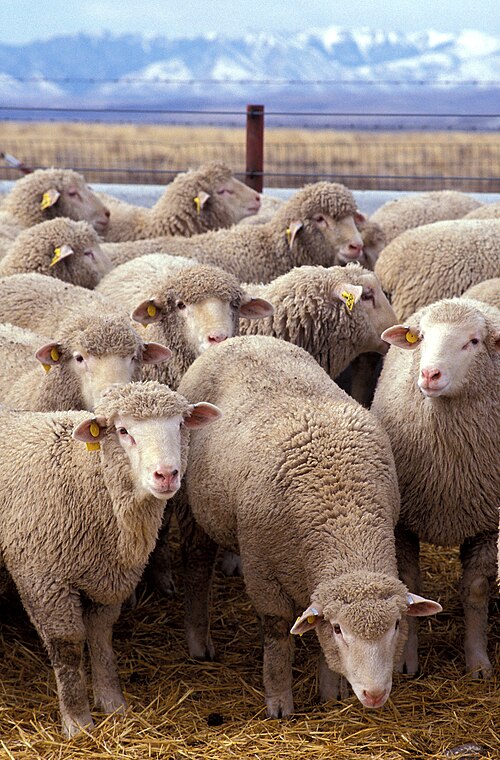
Humans began managing and selectively breeding wild goats in the Zagros Mountains, followed by the domestication of sheep. These were the first domesticated livestock, providing a reliable source of meat, milk, hides, and later wool. Animal domestication complemented crop agriculture and enabled more productive use of marginal land unsuitable for farming.
Domestication of Pigs and Cattle

Pigs and cattle were domesticated in Anatolia and Mesopotamia, adding to the Neolithic package of domesticated animals. Cattle provided draft power for plowing, which greatly increased agricultural productivity, as well as manure for fertilizer and fuel. The combination of crop agriculture and livestock created a more resilient and productive mixed farming system.
The First Permanent Settlements
The first large permanent settlements emerged, including Jericho in the Levant (with its stone tower and defensive wall, suggesting organized community effort) and Catalhoyuk in Anatolia (a densely populated settlement of mud-brick houses clustered together, with population estimates reaching 5,000 to 10,000). These settlements were made possible by the surplus food production of early agriculture and represented a fundamental shift from the small, mobile groups of hunter-gatherers.
Agriculture Spreads to Europe
Farming practices spread from Anatolia into Europe through two main routes: across the Mediterranean via sea routes and through the Balkans via land migration. The Linearbandkeramik (LBK) culture carried domesticated crops and livestock into Central Europe, reaching modern-day Germany and France within a few centuries. The spread of agriculture replaced or absorbed existing hunter-gatherer populations across much of the continent.
Development of Pottery
Pottery was developed independently in multiple regions, including the Jomon culture in Japan and the Pre-Pottery Neolithic cultures of the Fertile Crescent that later adopted pottery. Pottery enabled the storage of grain surpluses protected from rodents and moisture, and allowed cooking of grains and other foods in ways that improved nutrition. It was a critical complement to agricultural production.
Irrigation Systems in Mesopotamia
The early inhabitants of the alluvial plains of Mesopotamia developed irrigation systems, digging canals to divert water from the Tigris and Euphrates rivers to their fields. Irrigation enabled the expansion of agriculture into the dry plains of southern Mesopotamia, where the combination of fertile alluvial soil and managed water produced high crop yields. The organizational requirements of canal maintenance contributed to the development of centralized political authority.
The Emergence of the First Civilizations
The Sumerian civilization emerged in southern Mesopotamia, building on the agricultural foundations of the Neolithic Revolution. The food surpluses produced by irrigation agriculture supported the development of cities, specialized labor, writing (cuneiform), formal government, law codes, and monumental architecture. Sumer is widely regarded as the world's first civilization, and its emergence marked the transition from the Neolithic to the Bronze Age.